A post-tensioned slab on the twenty-second floor of a West Bay commercial tower. The MEP fit-out subcontractor needs six 150 mm openings for a new chilled water riser. The as-built drawings show the tensioned tendons spaced clearly across the structural grid. Any experienced site engineer knows that field installation during concrete pouring rarely matches paper drawings down to the millimetre. The drilling team sets up the rig, marks the spot from the drawing, and gets ready to cut blind. If that diamond bit severs a fully tensioned PT cable, the resulting structural defect halts the floor's progress for weeks of engineering review and expensive repairs. That exact scenario plays out across Doha construction sites regularly, and it is entirely preventable.
Ground Penetrating Radar, or GPR scanning (مسح راداري للخرسانة), removes the guesswork from concrete modification. It allows contractors to look directly inside the slab before the blade or core bit ever touches the surface.
Why As-Built Drawings Aren't Enough
Relying solely on drawings for rebar detection in Qatar is a gamble. During the pouring phase of structural slabs, concrete pumps apply massive force. Workers walk across the rebar mesh. Vibrators shift the wet mix. Embedded conduits float or drift from their exact tied locations. By the time the concrete cures, the internal layout has changed.
A standard cover meter or basic metal detector gives a false sense of security. Those tools find shallow steel near the surface, usually up to 100 mm deep. They miss the deeper structural tension cables. Crucially, they cannot detect PVC electrical conduits or plastic water pipes embedded in the slab. Cutting a live sub-main electrical conduit causes immediate site shutdowns, equipment damage, and serious safety hazards for the operators.
What GPR Scanning Actually Sees
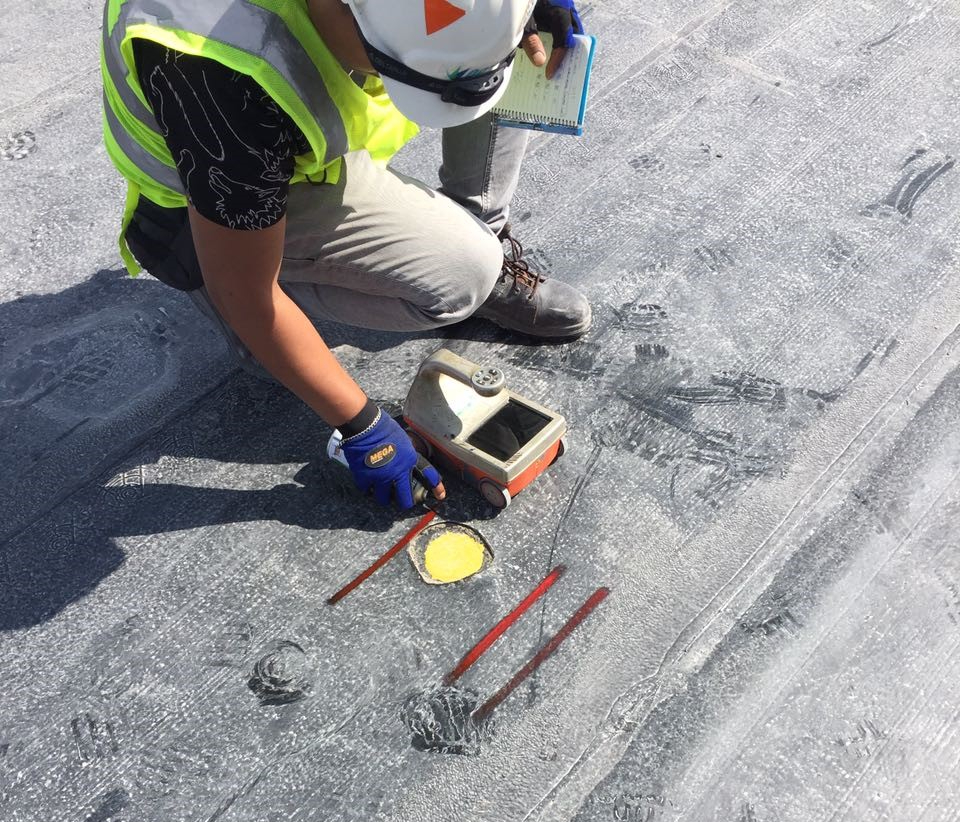
GPR units send high-frequency electromagnetic pulses into the concrete and record the echoes that bounce back off density changes. The scanner rolling across the slab displays a clean cross-sectional image of the subsurface on its screen.
Aseel Constructions uses advanced high-frequency GPR units engineered specifically for structural concrete. The radar isolates and maps:
- Top and bottom layers of standard structural rebar
- Post-tension (PT) cable ducts running through the slab
- Live active power cables and embedded PVC conduits
- Voids, honeycombing, and concrete thickness variations
- Steel beams supporting composite concrete decks
The operator interprets the hyperbolic wave returns on the display and physically marks the exact location, alignment, and depth of the internal elements directly onto the concrete surface using chalk or markers. The site engineer receives immediate, visible safe zones for core drilling or wall sawing.
The Process: From Scan to Safe Drilling
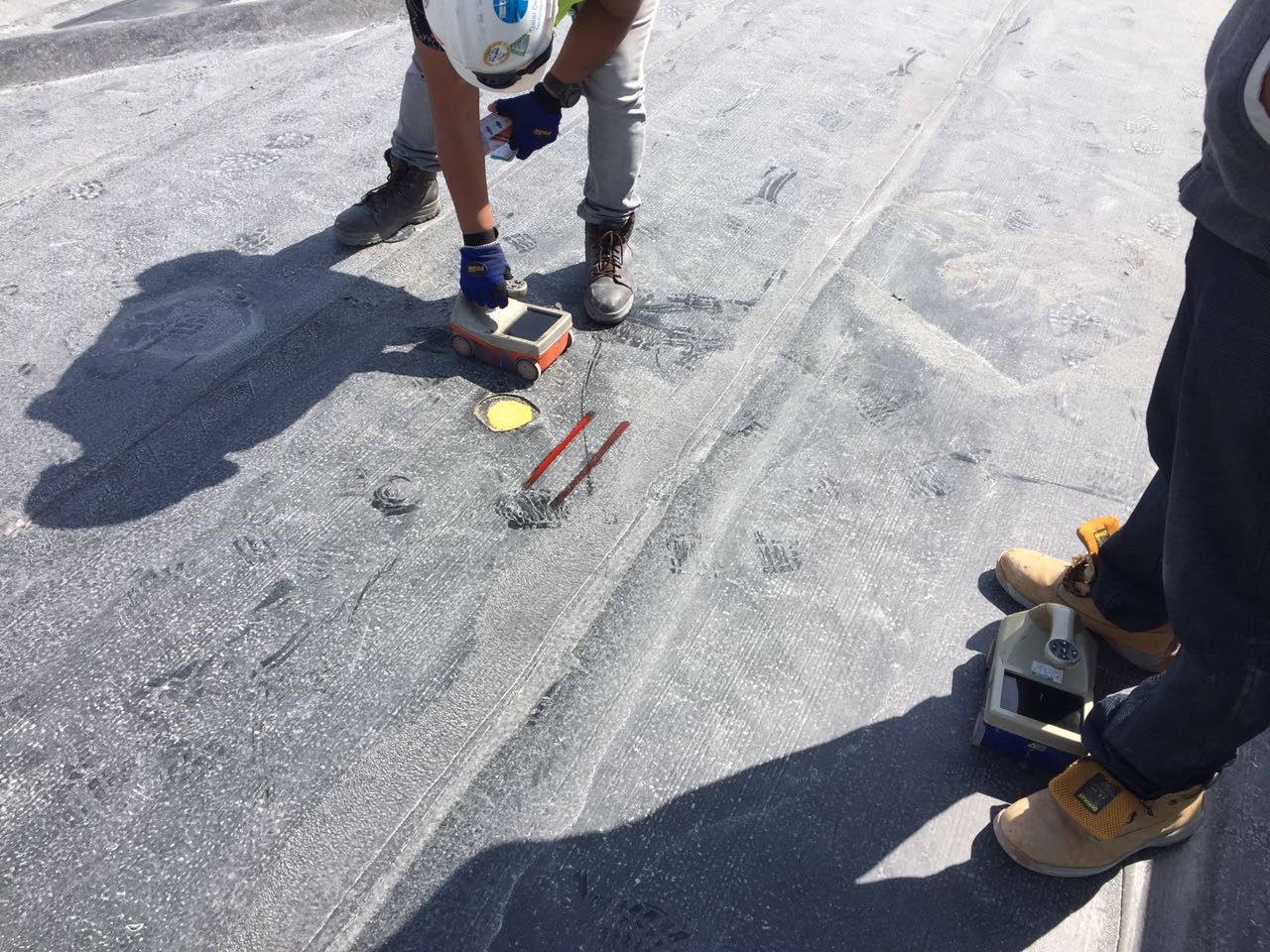
The scanning process itself is non-destructive, silent, and fast. For a standard 200 mm diameter core hole, the scanning technician maps a one-metre square grid over the proposed location. The machine runs along both the X and Y axes of the grid to build a complete three-dimensional view of the collision hazards.
If the proposed coring spot sits directly over a primary structural beam or a dense mat of reinforcing steel, the operator works with the site engineer to shift the opening. Moving a core hole 50 millimetres to the left clears the steel, preserves the structural bending capacity of the slab, and allows the drilling crew to punch through clean concrete in a fraction of the time.
Hitting steel doesn't just damage the building. It damages the drilling equipment. Core bits consist of diamond segments brazed onto a steel barrel. Grinding through heavy rebar strips the diamonds, glazes the segments, and burns out the drill motors. A single ruined 200 mm core bit costs more to replace than booking a professional GPR scan for the entire floor.
Commercial Fit-Outs and Renovation Projects
In older Doha properties undergoing refurbishment, original drawings are often lost entirely. The contractor taking down a structural wall or cutting an escalator void through an existing slab has zero reliable data on what supports the floor above. GPR scanning becomes mandatory in these renovation environments.
The same applies to anchoring work. Chemical anchors holding heavy mechanical equipment require precise drilled depths. Scanning the anchoring grid first ensures the drill bits miss the existing reinforcement, guaranteeing the pull-out strength calculated by the structural engineer holds true.
For any site manager looking for a licensed GPR scanning company in Qatar, contact Aseel Constructions. The field teams arrive with calibrated radar equipment, perform the scans, mark the safe zones, and follow up immediately with the core drilling or cutting work. The sequence is seamless, engineered, and structural damage is eliminated.
Need Reliable GPR Scanning in Qatar?
Aseel Constructions provides professional GPR scanning services across Doha and all major Qatar project sites. The team identifies rebar, PT cables, and conduits before drilling starts, keeping your project structurally safe and on schedule.
Book a Site Scan